

 EN
EN
Chronic knee pain affects millions of Americans – and if medications, physical therapy, or steroid injections haven’t given you lasting relief, you may feel like knee replacement surgery is your only option. It’s not. Dr. Gethin Williams offers Genicular Artery Embolization (GAE) – a groundbreaking, non-surgical treatment that targets the root cause of knee inflammation. No general anesthesia. No hospital stay. No joint replacement.



For decades, patients with chronic knee pain from osteoarthritis faced a limited menu: pain medications, steroid injections, physical therapy – and when those stopped working, knee replacement surgery. But a new treatment for knee pain without surgery is changing the game.
Genicular Artery Embolization (GAE) is a minimally invasive interventional radiology procedure that provides knee pain relief without surgery by reducing the abnormal blood flow that fuels knee inflammation. Developed and refined over the past decade, GAE has shown remarkable results in clinical studies – with many patients reporting significant pain reduction and improved function that lasts.
If you’ve been searching for knee pain treatment without surgery – especially if you’re not ready for or don’t want a knee replacement – GAE may be exactly what you’ve been looking for.
The GAE knee procedure – formally known as Genicular Artery Embolization – is a cutting-edge, minimally invasive treatment performed by interventional radiologists to treat chronic knee pain, particularly from osteoarthritis (OA) and synovitis (inflammation of the joint lining).
Unlike knee replacement surgery, which removes and replaces the damaged joint, the GAE procedure for knee pain works by targeting the underlying inflammation that causes pain – preserving your natural knee joint entirely.
In an arthritic or inflamed knee, the body forms abnormal new blood vessels (neovascularization) around the inflamed joint lining. These tiny vessels carry inflammatory cells and pain-signaling chemicals that perpetuate the cycle of swelling, stiffness, and pain.
During the GAE procedure, Dr. Williams:
Usually in the wrist or groin - no stitches required.
About the size of a strand of spaghetti - guided through blood vessels using real-time X-ray imaging (fluoroscopy).
The specific blood vessels supplying the inflamed knee tissue.
Injects tiny microspheres to selectively block the abnormal blood vessels feeding inflammation.
~60 minutes total. Walk out with a bandage. Back to daily activities in 1-2 days.
The result: reduced blood supply to inflamed tissue → less inflammation → less swelling → significantly less pain. The healthy parts of your knee are not affected – GAE only targets the abnormal vessels contributing to your pain.
GAE May Be Right for You If:
GAE is most effective for patients with mild to moderate knee arthritis (Kellgren-Lawrence grades 1-3). For severe, end-stage arthritis (bone-on-bone, grade 4), knee replacement may still be necessary – but GAE can be an excellent option to delay surgery and manage pain in the meantime.
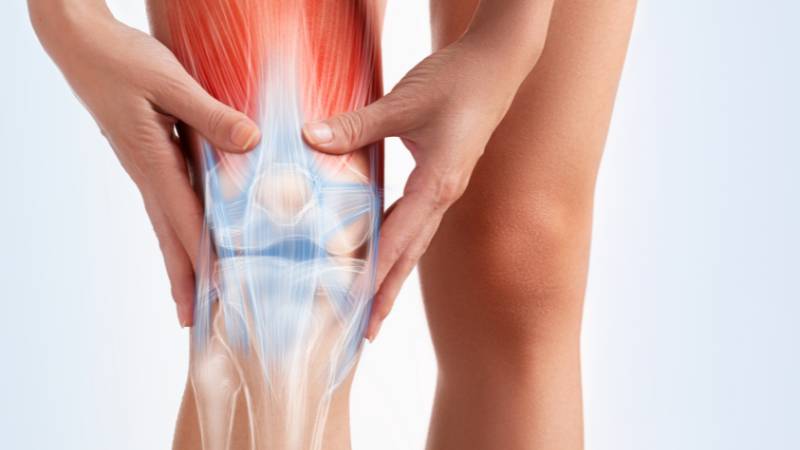
One of the most common questions we hear is: “How much does the GAE knee procedure cost?” The answer depends on your insurance coverage, but we’re here to make it as straightforward as possible.
At Imaging & Interventional Specialists, GAE is covered by most major insurance plans. Our team handles the verification process for you – before your appointment, our patient navigators will contact your insurance carrier, confirm your coverage, and let you know exactly what to expect in terms of out-of-pocket costs.
When you factor in the full cost of treatment, not just the procedure itself:
Find Out What GAE Will Cost You
Insurance verification – no obligation, no surprises.
Dr. Williams has extensive training in interventional radiology and performs GAE using real-time image guidance, ensuring precise targeting of only the abnormal blood vessels. Your safety is our top priority at every step.
Clinical research on Genicular Artery Embolization has shown very promising results for patients with chronic knee pain from osteoarthritis:
GAE is still a relatively new procedure, but the growing body of research – including studies published in the Journal of Vascular and Interventional Radiology – continues to validate its effectiveness and safety.
If you’re considering alternatives to knee replacement surgery, GAE offers a compelling option. Here’s how the three approaches compare:
| Feature | GAE | Knee Replacement | Steroid Injections |
|---|---|---|---|
| Procedure Type | Minimally invasive (pinhole) | Major surgery (8-12″ incision) | Injection |
| Anesthesia | Conscious sedation / local | General anesthesia | Local |
| Hospital Stay | None – same-day outpatient | 1-3 days hospitalization | None |
| Incision | Pinhole (no stitches) | 8-12 inch incision | Needle |
| Recovery | 1-2 days | 6-12 weeks | Immediate |
| Your Natural Knee | Preserved | Removed & replaced | Preserved |
| Duration of Relief | 12+ months | 15-20 years | 3-6 months |
| Can Be Repeated | Yes | Risky (revision surgery) | Limited (3-4x/year) |
| Best For | Mild-moderate OA, inflammation | Severe end-stage OA | Short-term flare relief |
Knee replacement is effective for severe, end-stage arthritis – but it’s major surgery with significant risks, a long recovery, and a permanent alteration of your joint. Many patients want to explore every possible alternative before committing to that path.
GAE preserves your natural knee joint, requires no general anesthesia, involves no hospital stay, and has you back to daily activities in days – not months. For patients with mild to moderate osteoarthritis, GAE can significantly reduce pain and improve function, potentially delaying or eliminating the need for knee replacement altogether.
Exploring Alternatives to Knee Replacement?
Find out if GAE is right for you – consultation with Dr. Williams.
“Bone on bone” is a phrase many patients hear from their doctor when X-rays show severe cartilage loss in the knee. It can feel like a death sentence for your mobility – and many patients are told that knee replacement is their only option. But is that always true?
While GAE is most effective for mild to moderate osteoarthritis, it can also provide meaningful pain relief for some patients with more advanced disease – particularly when a significant portion of the pain is driven by inflammation (synovitis) rather than purely structural damage.
Reduces inflammatory blood flow driving pain, even in more advanced cases. May delay need for surgery by months or years.
Strengthening muscles around the knee reduces load on the joint and improves stability.
Every pound of weight loss removes approximately 4 pounds of pressure from the knee joint.
Gel-like injections that lubricate the joint and provide cushioning (viscosupplementation).
Uses your own blood platelets to promote healing (effectiveness varies).
Offloading braces can redistribute weight away from the damaged part of the knee.
The best approach depends on your specific condition, pain level, and goals. During your consultation, Dr. Williams will review your imaging, assess your knee, and recommend the most effective treatment path.
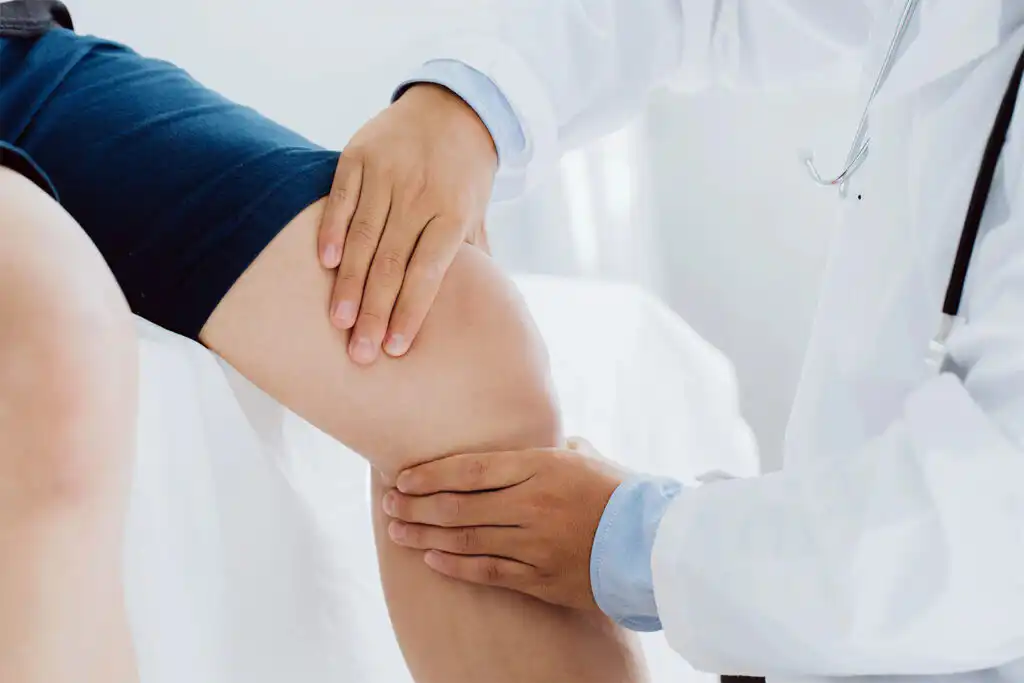
If you’re searching for a knee pain doctor near you, finding the right specialist is the most important step toward lasting relief. Chronic knee pain – especially from osteoarthritis – is best treated by a doctor who understands the full range of options, from conservative care to advanced interventional procedures like GAE.
Many patients start with their primary care doctor, then get referred to an orthopedic surgeon. But orthopedic surgeons specialize in surgical solutions – knee replacement, arthroscopy, and joint repair. If you’re looking for a non-invasive knee pain treatment near you, an interventional radiologist is a different kind of specialist to consider.
At our knee pain clinic in El Paso, Dr. Gethin Williams is one of the few interventional radiologists in the region who performs Genicular Artery Embolization. Whether you’re looking for a GAE knee procedure near you, exploring genicular artery embolization near El Paso, or simply searching for treatment for knee pain near you, our clinic offers:
Getting started with your GAE consultation is easy. Our three-step process is designed to remove barriers and get you on the path to knee pain relief:
Our patient navigators verify your coverage and explain out-of-pocket costs upfront. No surprises.
Comprehensive knee evaluation - diagnostic imaging, physical exam, and detailed review of your treatment history.
Dr. Williams recommends the best path forward - GAE, combination approach, or another treatment - tailored to your condition.
We accept most major insurance plans and are in-network with many providers. We have two convenient El Paso locations. Our Main clinic (Murchison Dr) is open Monday through Friday 9-5 and Saturdays 7-4. Our North Zaragoza clinic is open Wednesdays and Fridays 7-4.
Call any of our El Paso offices today to schedule your consultation.
Imaging & Interventional Specialists - El Paso
Imaging & Interventional Specialists - North Zaragoza
In-Network With the Following
*Call to verify your insurance coverage
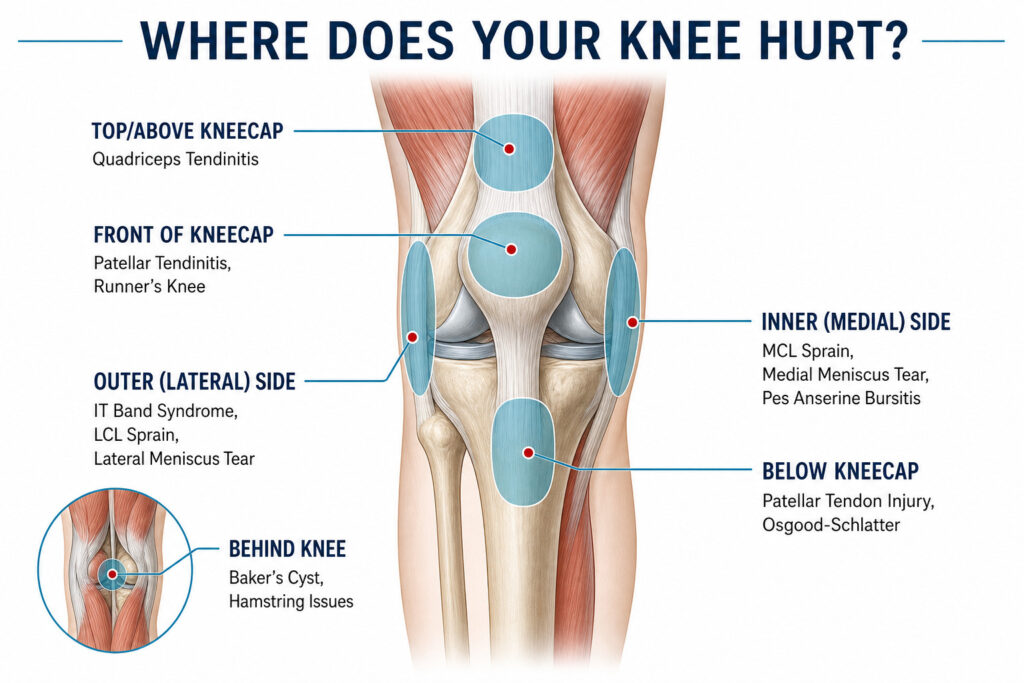
Of course, self-diagnosis based on pain location alone isn’t reliable. A proper evaluation by a specialist – including imaging – is the only way to accurately identify the cause of your knee pain and determine the right treatment.

Dr. Gethin Williams
MD, PhD - Medical Director
Harvard-Trained
Triple Board-Certified
10+ Years
Our Locations Clinic In El Paso
1310 Murchison Dr #100 El Paso, TX 79902
(915) 285-5727
Dr. Gethin Williams is the Medical Director of Imaging & Interventional Specialists and a leading knee pain specialist in El Paso. He is triple board-certified in vascular and interventional radiology, nuclear medicine, and diagnostic radiology.
As an interventional radiologist – not an orthopedic surgeon – Dr. Williams offers a fundamentally different approach to knee pain. While orthopedic doctors typically focus on surgical solutions (knee replacement, arthroscopy), Dr. Williams specializes in minimally invasive, image-guided procedures that treat conditions without surgery.
Dr. Williams completed his residency and fellowship at Harvard Medical School / Beth Israel Deaconess Medical Center. With over 10 years of clinical experience, he is affiliated with the University Medical Center of El Paso and the Hospitals of Providence. He has authored 20 peer-reviewed articles and 10 abstracts in interventional radiology.
His advanced training in catheter-based procedures, combined with his expertise in diagnostic imaging, makes him uniquely qualified to perform GAE with precision and safety – offering his patients a real alternative to knee surgery.


