
 EN
EN


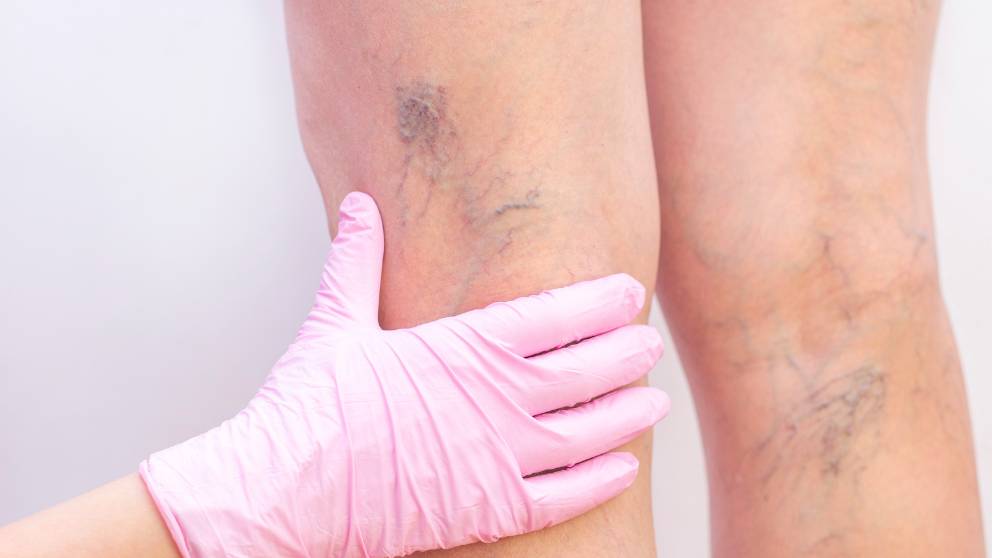
Peripheral artery disease (PAD) – also known as peripheral vascular disease (PVD) – is a circulatory condition in which the arteries that carry oxygen-rich blood from your heart to your legs and other extremities become narrowed or blocked by fatty deposits called plaque.
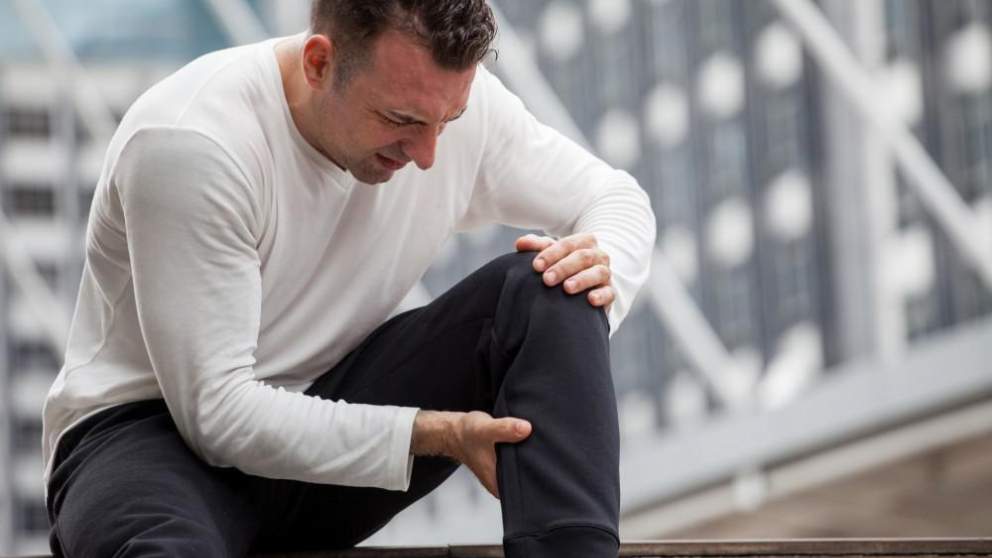
The primary cause of PAD is atherosclerosis – a gradual process where fat, cholesterol, calcium, and other substances build up inside the artery walls. Over time, this plaque hardens and narrows the vessel, reducing the flow of blood to your muscles and tissues. When your leg muscles don’t receive enough oxygen-rich blood during activity, you experience cramping, pain, or fatigue – a hallmark symptom known as claudication.
PAD doesn’t just affect the legs. It’s a systemic vascular disease, meaning the same plaque buildup can occur in arteries throughout your body. If you have PAD, you may also be at increased risk for coronary artery disease (which can lead to heart attack) and cerebrovascular disease (which can lead to stroke). That’s why early diagnosis and treatment are critical – not just for your legs, but for your overall cardiovascular health.
PAD symptoms often develop gradually, and many patients dismiss early warning signs as normal aging. Recognizing the signs and symptoms of PAD early can prevent the condition from progressing to a dangerous stage.
The most common PAD symptoms in legs include:
Intermittent claudication
Cramping, aching, or heaviness in the legs when walking or climbing stairs that goes away with rest
Numbness or weakness
Tingling, numbness, or weakness in the legs
Cold legs or feet
Coldness in one leg or foot compared to the other side
Skin changes
Shiny, discolored skin – pale, bluish, or darkened patches on legs
Reduced hair growth
Less hair on the legs and feet, slow-growing toenails
Weak or absent pulse
Weak or absent pulse in the legs or feet
PAD symptoms in feet are particularly important to watch for:
If leg pain or any of these peripheral vascular disease symptoms are affecting your daily life, it’s time to see a specialist. PAD is a progressive condition – the earlier it’s caught, the better the outcome.
If leg pain or any of these peripheral vascular disease symptoms are affecting your daily life, it’s time to see a specialist. PAD is a progressive condition – the earlier it’s caught, the better the outcome.
PAD affects both men and women, but women may experience symptoms differently. Studies show that women with PAD are more likely to report atypical symptoms – such as general leg fatigue, difficulty walking, or discomfort that doesn’t follow the classic claudication pattern. Women may also develop PAD at a later age but progress more quickly once the disease is present.
Because PAD symptoms in women can be subtle or mistaken for other conditions, the disease is often underdiagnosed in female patients. If you’re a woman over 50 with any risk factors – especially diabetes, smoking history, or high blood pressure – we encourage you to schedule a PAD screening consultation.
PAD can affect anyone, but certain factors significantly increase your risk. Understanding your risk profile is the first step toward prevention and early detection.
Smoking
The single greatest risk factor. Smokers are up to 4× more likely to develop PAD. Damages artery lining and accelerates plaque buildup.
Diabetes
Causes damage to blood vessels and nerves, particularly in legs/feet. Higher risk for foot ulcers, infections, gangrene, and amputation.
High Blood Pressure
Chronically elevated BP damages artery walls over time, making them more vulnerable to plaque deposits.
High Cholesterol
Excess LDL cholesterol is a direct contributor to plaque formation inside the arteries.
Age 50+
Risk increases significantly after 50.
Family History
PAD, coronary artery disease, heart attack, or stroke in family.
Obesity / Sedentary Lifestyle
Lack of regular physical activity increases risk.
Kidney Disease
Personal history of heart attack, stroke, blood clot, or renal disease.
Because PAD shares the same underlying cause (atherosclerosis) as coronary artery disease, patients diagnosed with PAD should also be evaluated for heart disease – and vice versa. If you have one or more of these risk factors, we strongly recommend a proactive screening.
Stage 1
No symptoms
Plaque present
Stage 2
Claudication
Pain with activity
Stage 3
Rest Pain
Pain even at rest
Stage 4
CLI
Non-healing wounds
Concerned About PAD Symptoms?
Don’t wait for it to get worse. A screening consultation can give you answers.
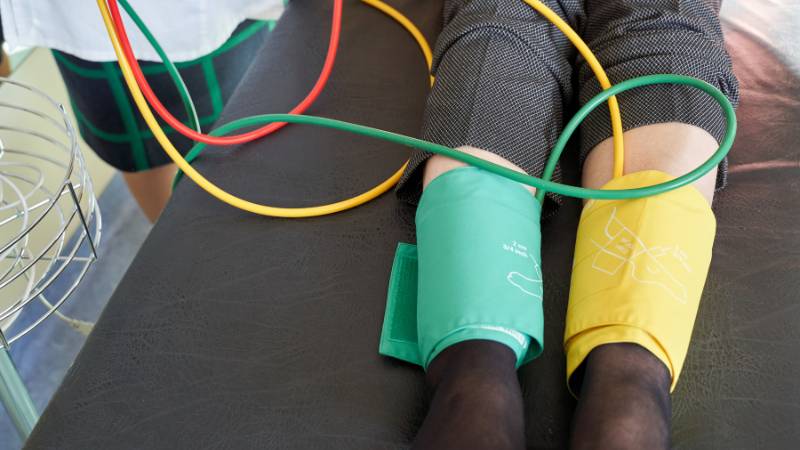
At Imaging & Interventional Specialists, Dr. Williams uses a combination of clinical examination and advanced diagnostic imaging to accurately assess your vascular health and determine the severity of any artery disease:
An accurate diagnosis is the foundation of effective treatment. Based on your results, Dr. Williams will create a personalized, evidence-based treatment plan tailored to your specific condition.
At Imaging & Interventional Specialists, we specialize in non-surgical, minimally invasive PAD treatment performed through a tiny “pinhole” incision – often smaller than the tip of a pencil. These interventional radiology procedures restore blood flow to your legs without the risks, pain, and long recovery of traditional vascular surgery.
If you’ve been looking for PAD treatment near you in El Paso, here are the procedures we offer:
Dr. Williams guides a thin catheter with a small balloon through the blood vessels to the blockage. Once positioned, the balloon is inflated to compress plaque against the artery walls – widening the vessel and restoring blood flow. The balloon is then deflated and removed.
Peripheral artery disease angioplasty is one of the most commonly performed and effective interventional treatments for PAD. Provides immediate blood flow improvement.
Non-surgical · Outpatient · Immediate results
Often performed with angioplasty. After the artery is opened with a balloon, a small cylindrical mesh tube (stent) is placed inside to keep it propped open and prevent re-narrowing (restenosis). The stent remains permanently – artery tissue heals around it.
Especially effective for longer blockages or arteries that tend to collapse after angioplasty alone.
Prevents re-narrowing · Long-term results
Uses a catheter with a cutting, shaving, or laser device to physically remove plaque from inside the artery – rather than just pushing it aside like angioplasty. Creates a wider, cleaner channel for blood flow.
Particularly effective for heavily calcified (hardened) plaque that doesn’t respond well to balloon angioplasty alone.
Best for calcified plaque · Reduces re-blockage
The most advanced and dangerous stage of PAD. Patients experience severe pain in feet/toes at rest, non-healing wounds, tissue death (gangrene), and face real risk of amputation if blood flow isn’t restored.
We treat CLI with urgent combinations of angioplasty, stenting, and atherectomy to reopen severely blocked arteries. The goal: limb salvage – saving your leg.
Time-sensitive - Contact us immediately
| Feature | Our Approach (IR) | Traditional Surgery |
|---|---|---|
| Incision | Pinhole (no stitches) | Large surgical cut |
| Anesthesia | Conscious sedation | General anesthesia |
| Hospital Stay | Same-day – go home | 1-5 days hospitalization |
| Recovery | Days | Weeks to months |
| Complications | Very low risk | Infection, blood clots, nerve damage |
Need Urgent PAD or CLI Treatment?
If you’re searching for the best vascular doctor near you to treat peripheral artery disease, it’s important to understand which type of specialist is best equipped to help.
What doctor treats peripheral artery disease? PAD is most effectively treated by an interventional radiologist (IR) or vascular specialist – a physician who specializes in diagnosing and treating blood vessel conditions using minimally invasive, image-guided techniques. Unlike vascular surgeons who may default to open surgical procedures, an interventional radiologist treats PAD through tiny catheter-based “pinhole” procedures that avoid the risks of traditional surgery.
What to Look for in a PAD Specialist:
At Imaging & Interventional Specialists, Dr. Gethin Williams checks every one of these boxes. As a triple board-certified vascular and interventional radiologist with Harvard training and over a decade of experience in El Paso, he’s one of the most qualified PAD specialists in the region.
Looking for PAD treatment near you? At our vascular clinic in El Paso, we’ve designed a simple three-step process to make getting started as easy as possible:
Our patient navigators verify your coverage and let you know exactly what to expect. No surprise bills.
See Dr. Williams for a thorough evaluation, including any necessary diagnostic imaging.
Custom plan tailored to your specific needs, goals, and lifestyle.
We accept most major insurance plans and are in-network with many providers. We have two convenient El Paso locations. Our Main clinic (Murchison Dr) is open Monday through Friday 9-5 and Saturdays 7-4. Our North Zaragoza clinic is open Wednesdays and Fridays 7-4.
We also serve patients from across the region. Whether you’re searching for pain management in El Paso or a dedicated PAD specialist in El Paso, TX, we’re here to help you take the next step.
Call any of our El Paso offices today to schedule your consultation.
Imaging & Interventional Specialists - El Paso
Imaging & Interventional Specialists - North Zaragoza
In-Network With the Following
*Call to verify your insurance coverage
PAD Consultation

Dr. Gethin Williams
MD, PhD - Medical Director
Harvard-Trained
Triple Board-Certified
10+ Years
Our Locations Clinic In El Paso
1310 Murchison Dr #100 El Paso, TX 79902
(915) 285-5727
Dr. Williams completed his residency and fellowship training at Harvard Medical School / Beth Israel Deaconess Medical Center – one of the nation’s premier academic medical centers. With over 10 years of clinical experience, he is affiliated with the University Medical Center of El Paso and the Hospitals of Providence.
An active contributor to medical research, Dr. Williams has authored 20 peer-reviewed articles and 10 abstracts in interventional radiology and vascular medicine. His combination of world-class training, academic rigor, and hands-on clinical experience ensures that every patient receives the highest standard of evidence-based, compassionate care.
Whether your PAD is in its early stages or you’re dealing with critical limb ischemia, Dr. Williams has the expertise and technology to help – right here in El Paso.
If gangrene occurs, it may require amputation of a toe, foot, or leg. Prevention of PAD and treatment of the peripheral arterial disease reduces the risk of developing dry gangrene and improves quality of life.